


Sep 23, 2025
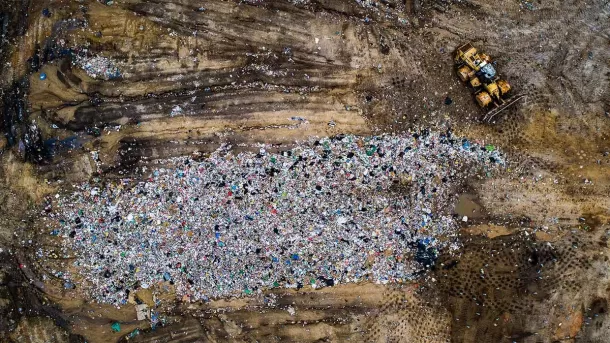
5 Simple Ways to Reduce Your Household Waste
Every household produces waste, but how much of it really needs to end up in landfill? With a few small lifestyle changes, you can cut down rubbish, recycle more effectively, and make a positive impact on the environment. Here are five easy steps you can start today:
Rethink before you buy. The less you bring home, the less you’ll throw away. Ask yourself if you really need the item, whether there’s a reusable option, or if you can choose something with less packaging or made from recycled materials.
Separate and sort recycling. Rinse containers, flatten cardboard, and avoid putting pl…

Sep 2, 2025
Global Health Challenges Beyond Pandemics
While COVID-19 dominated recent headlines, other global health challenges persist, including infectious diseases, chronic conditions, and health inequities. Vaccination programs, public health infrastructure, and research innovation are critical to prevention and treatment.
International organisations, governments, and NGOs coordinate responses, sharing expertise, resources, and strategies to combat emerging threats. Investment in global health systems, early warning mechanisms, and equitable access to care strengthens resilience and promotes long-term well-being.
Addressing global heal…
Sep 2, 2025
Energy Politics and Global Oil Markets
Energy resources remain central to geopolitics, economic stability, and international relations. Oil, gas, and emerging renewable sources influence trade, security, and policy decisions worldwide.
Geopolitical tensions, production agreements, and market fluctuations affect prices, energy security, and national strategies. The transition to sustainable energy introduces new dynamics, with technological innovation and climate commitments reshaping energy diplomacy.
Navigating energy politics requires balancing economic needs, environmental priorities, and geopolitical considerations, high…
Sep 2, 2025
Human Rights and Social Movements Worldwide
Global social movements advocate for human rights, equality, and justice, challenging political, social, and cultural norms. Movements addressing racial justice, gender equality, LGBTQ+ rights, and labor conditions have sparked policy reforms, public debate, and international awareness.
Governments, NGOs, and international institutions collaborate to monitor human rights, provide protections, and enforce accountability. Civil society and media amplify marginalized voices, influencing public opinion and legislative action.
Progress requires sustained advocacy, legal frameworks, and cultu…
Sep 2, 2025
Cybersecurity and International Threats
Cyberattacks increasingly influence global security, targeting governments, corporations, and critical infrastructure. Nation-states, hacktivists, and criminal organizations exploit vulnerabilities, disrupting economies, elections, and communications.
International cooperation, cybersecurity standards, and threat intelligence sharing are essential to mitigate risks. Public-private partnerships enhance resilience, while legal frameworks and ethical guidelines help define norms for cyber conflict.
The digital era demands vigilance, collaboration, and innovation to safeguard nations, econo…
Sep 2, 2025
The Global Water Crisis
Freshwater scarcity affects billions worldwide, fueled by climate change, population growth, and pollution. Agriculture, industry, and urban consumption compete for limited resources, exacerbating tensions between communities and nations.
Solutions include sustainable water management, conservation technologies, wastewater treatment, and transboundary agreements. Governments, NGOs, and private sectors collaborate to develop equitable access, ensure environmental protection, and support livelihoods.
Addressing water scarcity is critical for human health, economic stability, and environme…
Sep 2, 2025
International Relations and Diplomacy in a Multipolar World
The post-Cold War unipolar order is giving way to a multipolar global system. Rising powers, shifting alliances, and regional conflicts redefine diplomacy, trade, and security.
Multilateral organizations, bilateral agreements, and strategic partnerships are increasingly important to manage tensions and foster cooperation. Diplomats must navigate complex economic, cultural, and military landscapes, balancing national interests with global stability.
Effective diplomacy in this environment requires adaptability, negotiation skills, and an understanding of historical and regional contexts…
Sep 2, 2025
Refugee Crises and Global Response
Conflict, persecution, and environmental disasters have led to unprecedented levels of displacement worldwide. Refugees face complex challenges including access to shelter, healthcare, education, and employment. Countries hosting refugees often experience social, economic, and political pressures.
International organizations, such as the UNHCR, coordinate relief, resettlement, and advocacy efforts. Humanitarian aid, legal protection, and integration programs are vital to support displaced populations. Host nations balance domestic concerns with obligations under international law, while pu…