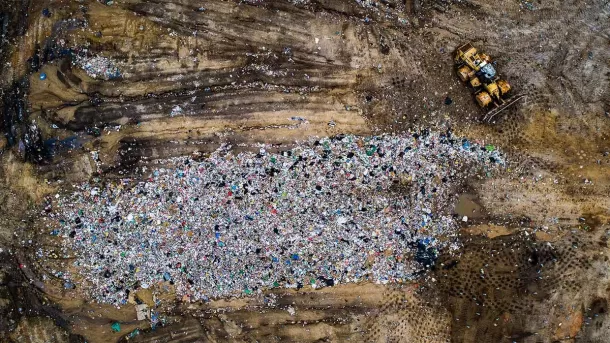
At North West Waste, we believe waste isn’t just something to dispose of — it’s a chance to rethink how we use resources. Since 2009, our goal has been to help businesses and households across the region cut costs, increase recycling, and work towards zero landfill.
What Makes Us Different
Zero waste to landfill – we strive to recycle, reuse, or recover as much as possible.
Fully licensed & compliant – registered with the Environment Agency, we handle all types of waste, including hazardous materials.
Tailored solutions – every client gets a waste plan designed around th…
Every household produces waste, but how much of it really needs to end up in landfill? With a few small lifestyle changes, you can cut down rubbish, recycle more effectively, and make a positive impact on the environment. Here are five easy steps you can start today:
Rethink before you buy. The less you bring home, the less you’ll throw away. Ask yourself if you really need the item, whether there’s a reusable option, or if you can choose something with less packaging or made from recycled materials.
Separate and sort recycling. Rinse containers, flatten cardboard, and avoid putting pl…
While COVID-19 dominated recent headlines, other global health challenges persist, including infectious diseases, chronic conditions, and health inequities. Vaccination programs, public health infrastructure, and research innovation are critical to prevention and treatment.
International organisations, governments, and NGOs coordinate responses, sharing expertise, resources, and strategies to combat emerging threats. Investment in global health systems, early warning mechanisms, and equitable access to care strengthens resilience and promotes long-term well-being.
Addressing global heal…
Blockchain technology, widely associated with Bitcoin and other cryptocurrencies, has far-reaching applications beyond digital currencies. Its decentralized, tamper-proof ledger system can transform supply chain management, secure voting systems, and digital identity verification.
In supply chains, blockchain provides transparency and traceability, allowing stakeholders to verify product origin, quality, and compliance. Smart contracts automate agreements without intermediaries, reducing costs and improving efficiency. Blockchain also strengthens cybersecurity and reduces fraud in various…
The gig economy, fueled by digital platforms, has transformed how people work and earn income. Freelancers, contractors, and independent professionals engage in flexible, project-based work, often leveraging apps for ride-sharing, delivery, or creative services.
For businesses, the gig economy provides agility and access to specialized skills without long-term commitments. For workers, it offers flexibility, autonomy, and the potential for multiple income streams. However, challenges include income stability, benefits access, and legal protections.
Successful participation in the gig ec…
Youth participation shapes future political landscapes. Engaging in voting, activism, and policy debates empowers young people to influence issues like climate, education, and social justice. Civic education, digital platforms, and mentorship programs increase political literacy and participation rates.
Active youth involvement ensures that policies reflect generational priorities and that democratic institutions remain responsive, dynamic, and inclusive.
Trade agreements like NAFTA, the European Union’s single market, or the CPTPP impact domestic industries, employment, and geopolitics. Negotiating these agreements involves balancing economic growth, labor rights, environmental standards, and strategic alliances.
Political leaders must weigh domestic pressures against global opportunities, navigating negotiations that affect millions of lives. Understanding trade policy is essential for informed citizenship and long-term national planning.
Migration has emerged as a central issue in international politics, affecting economies, social cohesion, and national security. Conflict, climate change, and economic inequality drive both voluntary and forced migration, creating complex policy challenges for governments and international organizations.
Countries must balance humanitarian obligations with resource management, border security, and integration policies. Multilateral cooperation, refugee protection frameworks, and sustainable development initiatives are key tools in addressing these challenges.
Public perception of migrat…