Recycling Made Simple: How to Do It Right in the UK
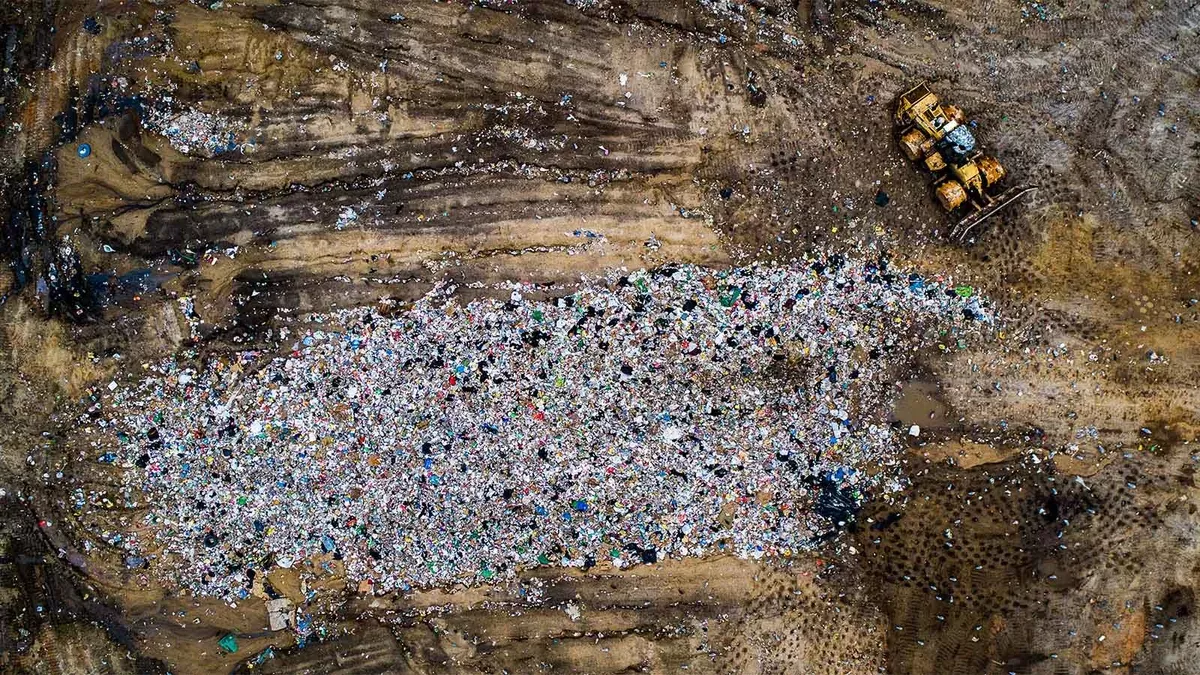
Recycling isn’t just about tossing bottles and cans into a separate bin — it’s about making sure the materials you put in are actually able to be reused. Done properly, recycling reduces the demand for raw materials, lowers energy use, and keeps waste out of the environment. Done badly, it can cause contamination that sends entire loads of recyclables straight to landfill or incineration.
In the UK, most councils provide clear guidelines on what you can and cannot recycle, but many people still make simple mistakes. Items like greasy pizza boxes, plastic bags, and certain food containers can’t go in your household recycling bin. Likewise, glass should be clean and free of lids, and plastics should be rinsed before disposal. A little extra effort in cleaning and sorting goes a long way in ensuring materials actually get processed.
If you’re unsure about a specific item, it’s always best to check your local recycling rules rather than guessing. “Wishcycling” — putting items in the bin and hoping they’re recyclable — causes more harm than good.
For straightforward, reliable advice on recycling and reducing waste, visit WastePoint. You’ll find step-by-step guides, council-specific tips, and practical ideas to help you recycle smarter and make a real difference.
Recycling isn’t just about tossing bottles and cans into a separate bin — it’s about making sure the materials you put in are actually able to be reused. Done properly, recycling reduces the demand for raw materials, lowers energy use, and keeps waste out of the environment. Done badly, it can cause contamination that sends entire loads of recyclables straight to landfill or incineration.
In the UK, most councils provide clear guidelines on what you can and cannot recycle, but many people still make simple mistakes. Items like greasy pizza boxes, plastic bags, and certain food containers can’t go in your household recycling bin. Likewise, glass should be clean and free of lids, and plastics should be rinsed before disposal. A little extra effort in cleaning and sorting goes a long way in ensuring materials actually get processed.
If you’re unsure about a specific item, it’s always best to check your local recycling rules rather than guessing. “Wishcycling” — putting items in the bin and hoping they’re recyclable — causes more harm than good.
For straightforward, reliable advice on recycling and reducing waste, visit WastePoint. You’ll find step-by-step guides, council-specific tips, and practical ideas to help you recycle smarter and make a real difference.